This discipline is regarded as still being in its infancy and can be referred to as, ‘User Experience Design’, ‘UXD’ or “UED’. It encompasses the relationship and interaction between human users, machines and their environments. The discipline itself is the process of improving and increasing user satisfaction by enhancing usability, accessibility and enjoyment experienced between the user and the product.
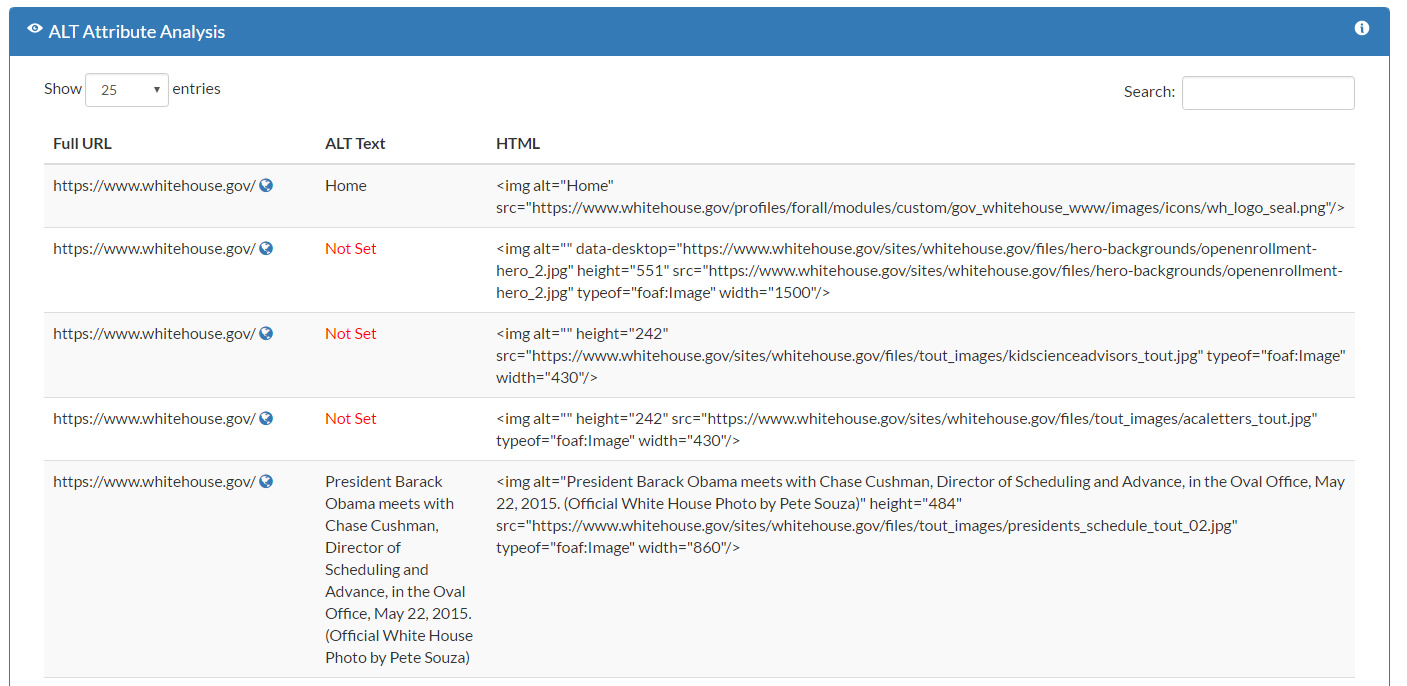
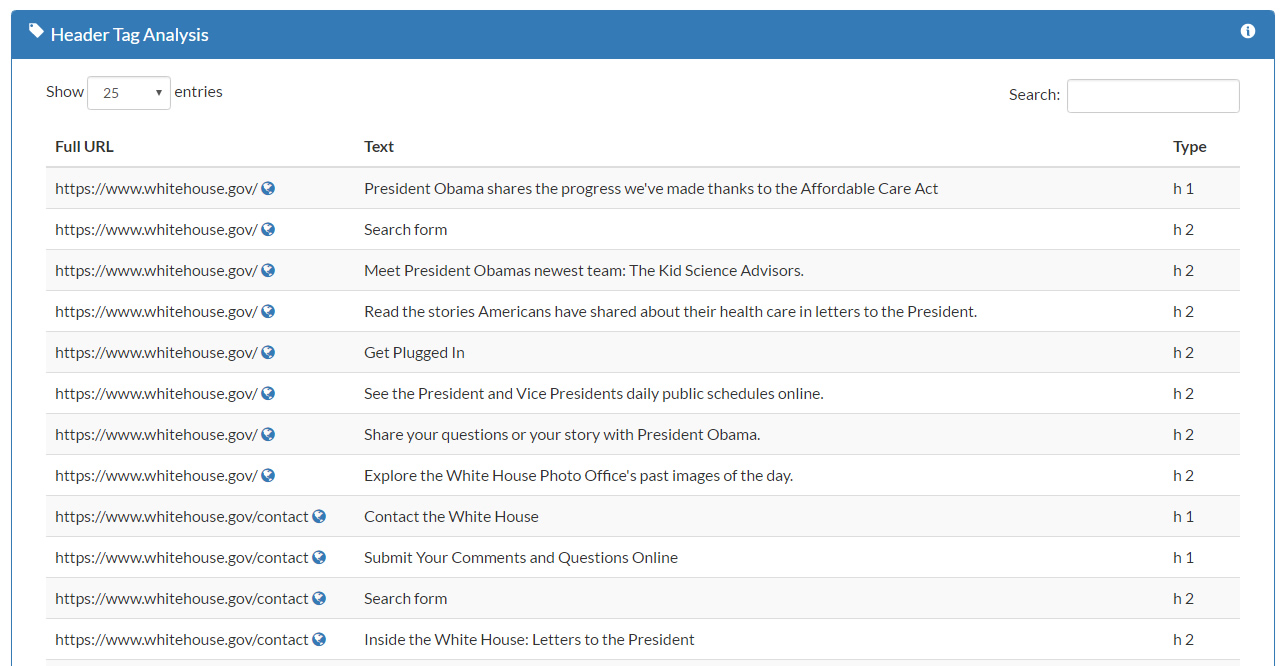
Wordalytics allows user experience and interface designers to be more efficient and effective by being able to identify issues and shortcomings. E.g. in line with universal design, website design and content should be inclusive and cater for all users including visually impaired. Our tool e.g. checks whether ALT attribute text has been set or not. Screen readers rely on such HTML components. Our tool is also the only one on the market that spell checks attribute values. Understanding a website’s content in its totality is only possible with a tool like Wordalytics which makes it invaluable for SEO experts.
A UX Designer’s role is to examine the overall experience that is delivered to users when interacting with the product. If a product is failing to deliver, they must evaluate the problem by collecting as much information as possible about the people, the process and the product itself. They must liaise regularly with clients and find out their exact requirements. Their goal is to ensure a positive user experience on all levels and to provide products designed in order to increase usability and user satisfaction.
User Experience Design encompasses traditional design and combines it with structured information architecture to create a product or service that thoroughly enhances the user’s experience. There is a strong element of visual design, graphic design and aesthetics. Using visual elements such as colours, symbols and images are paramount in conveying certain messages to targeted audiences. This strong visual element is combined with the art and science of structuring and organising information in products and services and increasing usability and clarity. All of this is carefully constructed to create a positive impact on the user and to improve the overall experience a person may have with a particular interactive system and it’s provider.
UX Designers are responsible for designing visually pleasing and usable products that solve the user’s problems and issues. Through extensive listening, designing and usability testing, they ensure that the user’s experience with the product is pleasant and satisfactory, ultimately resulting in a happy customer.